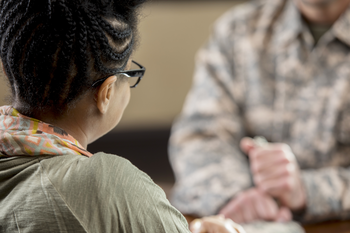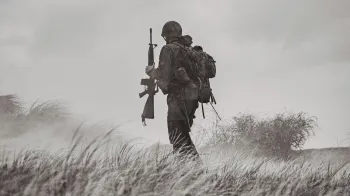
Killing in war can impact veterans in every aspect of their lives. Research has demonstrated that killing in war is associated with adverse mental health outcomes, including an increased risk of PTSD, substance abuse disorder, and suicide.
A new study led by UC San Francisco researchers shows that veterans who received impact of killing (IOK) treatment reported better outcomes than those who participated in present-centered therapy (PCT). The study — first published August 5 in JAMA Psychiatry — also highlights moral injury (MI), a concept defined by the article’s authors as “perpetrating, failing to prevent, or witnessing events that transgress deeply held moral beliefs and expectations.”
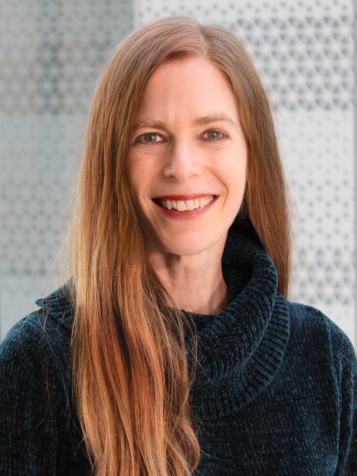
“We worked with veterans who had killed in war and also veterans who felt responsible for the death of another person, such as medics who could not save someone in a war zone,” said Shira Maguen, PhD, first author of the study and a professor and interim vice chair for the San Francisco VA Health Care System (SFVAHCS) in the UCSF Department of Psychiatry and Behavioral Sciences.
“The work that veterans did in this treatment was deep, powerful, and vulnerable. They talked about ways in which they had self-sabotaged their lives for many years, including withdrawal from relationships and using substances because they did not deserve to be happy. We now can understand and name some of these symptoms as moral injury.”
The study, conducted from August 2018 to November 2023, included 100 veterans who received either IOK or PCT. Both approaches are delivered over 10 treatment sessions, but they have different areas of focus.
PCT centers on issues in the present, rather than what happened in the past, with the goal of improving daily functioning. IOK, on the other hand, shifts the focus directly onto killing in war, diving into its meaning and mental health impact. IOK emphasizes acceptance and self-forgiveness as part of treatment.
“We were finding that many of the veterans we spoke with had never talked about their killing experiences due to shame and stigma, and yet these experiences continued to impact their daily lives and functioning,” noted Maguen, who is also the mental health director of the SFVAHCS Post-9/11 Integrated Care Clinic and a staff psychologist on the SFVAHCS PTSD Clinical Team. “Adding moral injury treatments like IOK to the offerings we provide veterans can help directly address mental health symptoms and issues that may not be captured in other treatments.”
When researchers compared treatments, the results were clear: Participants who received IOK treatment reported significantly better improvement of symptoms related to PTSD and moral injury, as well as measurement on the Sheehan Disability Scale, a self-reported assessment tool that measures functional impairment across work, home, and family responsibilities. PTSD outcomes were sustained at a 6-month follow-up.
“It was intense work but resulted in changes in their relationships with others, how they saw themselves, and their mental health symptoms. IOK served as a catalyst for continuing the healing process that had started in therapy,” Maguen explained.
“While this multi-site trial serves as an important step,” she added, “future research is needed to better understand if treatments like IOK can help with reducing suicide risk, as well as which veterans benefit most from treatments like IOK.”
Authors: Additional authors include Rebecca Gloria, PhD; Deborah E. Barnes, PhD; and Kristine Burkman, PhD, of UCSF and the San Francisco VA Health Care System; Amy Lehrner, PhD; Laura Patchett, PsyD; and Jamil Davis, LCSW, of the Icahn School of Medicine at Mount Sinai and James J. Peters VA Medical Center; Jean C. Beckham, PhD, of Duke University and the Durham VA Health Care System; and Stephanie Y. Wells, PsyD, of the Durham VA Health Care System and VA Mid-Atlantic Mental Illness Research, Education and Clinical Center.
Funding: This study was funded by VA Rehabilitation Research and Development Merit Grant I01 RX001539.
Disclosures: None.